
When most people think about cybercrime, they picture a super technical hacker sitting in a dark room breaking into systems. But honestly, a lot of cyberattacks today are much simpler than that. Criminals are getting what they want by tricking people instead of hacking computers.
That’s where phishing and social engineering come in. From an insurance perspective, we’re seeing more businesses impacted by these types of scams every year. And the scary part is that they don’t just target massive corporations. Small businesses, local companies, nonprofits, and even individuals are all potential targets.
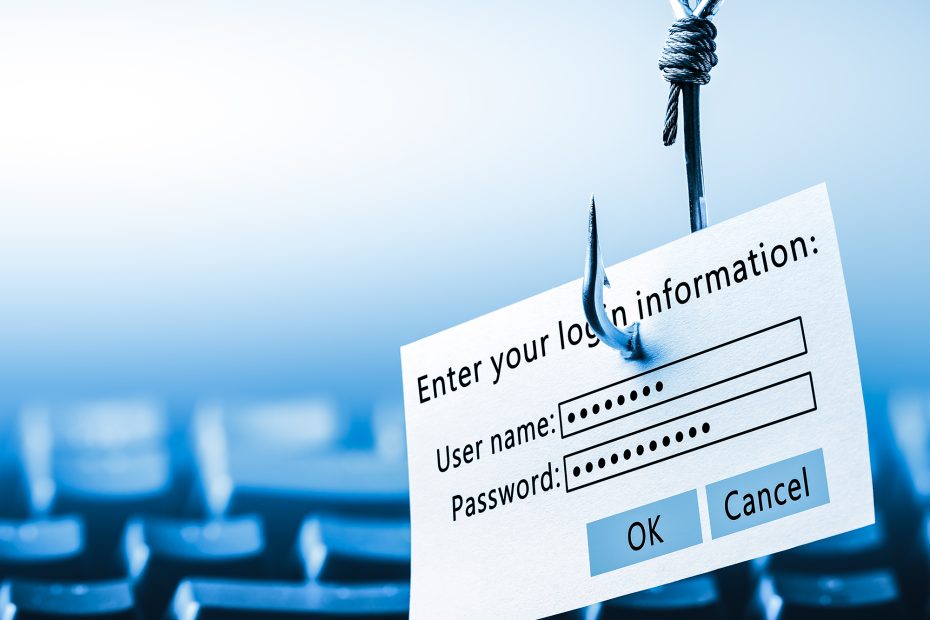
Phishing is usually the easier one to recognize. It’s those fake emails, texts, or messages that look real enough to make you click before you think twice. Maybe it looks like it came from your bank, your boss, a delivery company, or even Microsoft asking you to reset your password. One click can open the door to stolen passwords, financial fraud, or malware spreading through a company’s network.
Social engineering goes a step further. It’s less about technology and more about manipulation. Cybercriminals study how people respond to pressure, urgency, and authority. They might impersonate a company executive asking an employee to wire money immediately, or pretend to be IT support needing login credentials. The whole goal is to create a situation where someone reacts quickly instead of carefully.
And honestly, it’s easy to see how it happens. Businesses move fast. Employees are juggling emails, phone calls, deadlines, invoices, and customer requests all day long. Cybercriminals know that if they can catch someone distracted for even a few seconds, they have a chance. What makes this especially important from an insurance standpoint is the financial fallout that can happen afterward. A single phishing email can lead to stolen funds, compromised customer data, business interruption, or even lawsuits. Recovery costs can add up quickly between forensic investigations, legal fees, system repairs, and reputational damage.
A lot of business owners assume cyberattacks only happen to large companies, but smaller businesses are often easier targets because they may not have dedicated cybersecurity teams or strict internal controls in place. In many cases, attackers specifically look for companies that seem less prepared.
That’s one reason cyber insurance has become such an important conversation lately. Policies can help businesses recover from certain cyber-related losses, including data breaches, ransomware incidents, and in some cases, social engineering fraud. But coverage varies, and many business owners are surprised to learn that not every cyber policy automatically covers fraudulent wire transfers or employee deception scams.
The best protection is still prevention. Employee training, multi-factor authentication, strong verification procedures, and slowing down before responding to urgent requests can make a huge difference. Something as simple as confirming payment changes over the phone instead of email can stop a major loss before it happens.
At the end of the day, phishing and social engineering attacks are successful because they target human behavior, not just computer systems. That’s why awareness matters so much. Technology is important, but creating a culture where employees feel comfortable double-checking suspicious requests is just as critical.
Cybercrime isn’t slowing down anytime soon, and these scams are only becoming more convincing. Businesses that take the risk seriously now will be in a much stronger position to protect themselves later.
If you are interested in learning more about cyber security insurance, do not hesitate to call us at Starke Agency. We would love to answer any questions you may have.
Written by:
Korbin Kinman